
Arrest Warrants in Lee County
An arrest warrant is a written court order telling an officer to take someone into custody. Virginia pairs a sworn complaint with a probable-cause finding on the path to issuance. It works differently from a summons, which directs a person to appear, and from a search warrant, which authorizes a search of a place. The court or magistrate that issues the paperwork is often not the one who serves it. In Lee County, the magistrate sits at the courthouse, while service may fall to the Sheriff's Office or a town police department. A public case search can point you to a file. Still, only the issuing authority can confirm the current order.
Virginia's Lee County Warrant Application Path
Virginia law spells out the written arrest-warrant process in Code §19.2-72. The statute covers a complaint made under oath, a probable-cause review, an adequate description of the person, the offense, the command to arrest, and the issuer's signature. What the actual document shows, and which fields the public can see, depends on the case. A public screen may hide an affidavit or protected information. Probable cause is the legal basis the issuing authority weighs, not a warrant-status field you can look up. Facing a new complaint question in Lee County? Call the Lee magistrate office at 276-346-7744. For an existing court file, the General District or Circuit Clerk can route you.
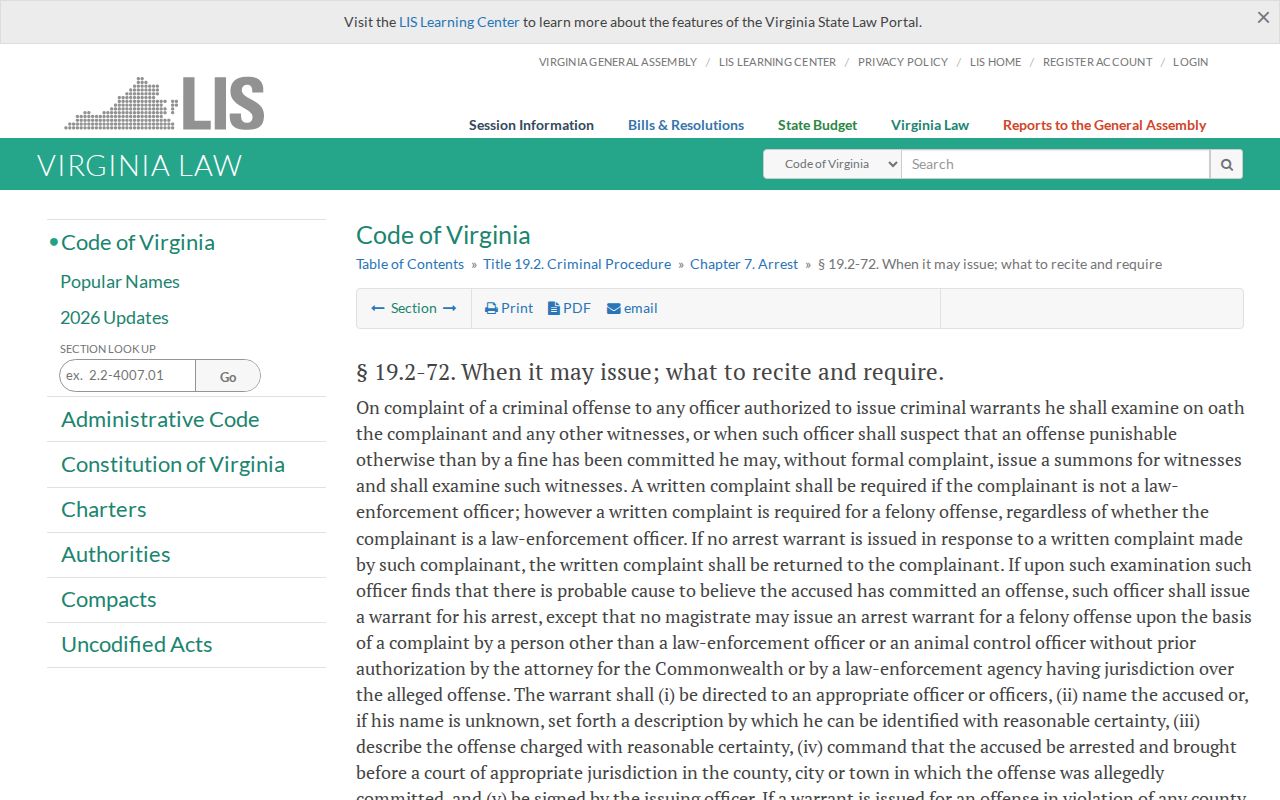
Read the provision with the issuing court's case record and any current order.
What a Lee County Arrest Warrant Contains
A Lee County warrant document may list the issuing authority, the person or a description, the offense, and the command. A case view tells you less. It might show only the charge, the court, a hearing date, or an event. The public OCIS result is not a full warrant copy, so do not treat it as one.
| Issuing authority | Identifies the magistrate or court authorized for the process. |
|---|---|
| Complaint and offense | Shows the allegation category and offense description when public. |
| Person description | May identify the person or use a description allowed by law. |
| Command | States the action the officer is directed to take. |
| Bond or release | Case-specific. Lee has no public universal warrant bond schedule. |
| Return or status event | May record service, withdrawal, or an arrest-related event; confirm with the clerk. |
Keep live-case details out of any public explanation. A case number lets the Lee County clerk tell you which fields can be disclosed.
Who Serves Lee County Arrest Warrants
Authorized law-enforcement officers execute warrant process. The Lee County Sheriff's Office serves county paperwork, while Jonesville Police and Pennington Gap Police handle what is assigned to their departments. A regional jail officer may execute an order for someone already in custody. Serving a warrant does not give that office the issuing court's power to change it. The Lee County Commonwealth's Attorney prosecutes criminal cases and is not a public warrant-search desk. Keeping prosecutor, clerk, magistrate, sheriff, and police roles straight helps a caller reach the office that can actually answer. The Lee Commonwealth's Attorney's public office page describes its role.
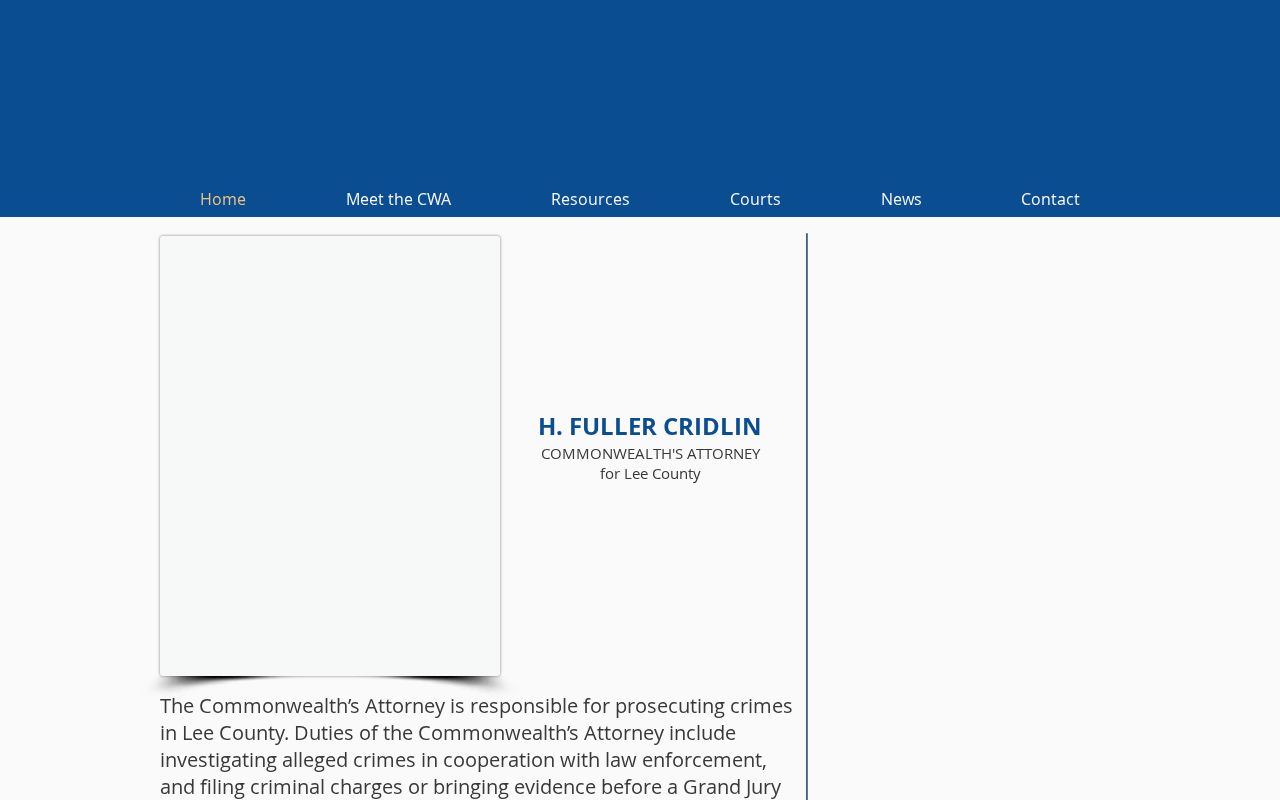
For status, use the clerk or issuing authority rather than a prosecution office contact.
How Lee County Arrest Warrants Are Served
Service follows the authority and assignment set for each particular order. Lee County names no dedicated warrant unit, publishes no separate warrant phone, and lists no walk-in surrender procedure. The Sheriff's Office does give a general office number and a non-emergency number for routing calls. Jonesville Police lists its own contact, and Pennington Gap's town directory lists its police number. If a possible order is in play, call before making travel plans. Ask the court or an attorney which office should handle the next step, and whether the case needs a hearing, a motion, or a bond review. Do not assume the jail counter can change a court order.
Lee County Magistrate Handles Complaint and Bail
The magistrate reviews complaints and probable cause, and can issue arrest warrants, summonses, search warrants, and certain protective or civil process. Magistrates also run bail hearings. The clerk keeps the case record, and law enforcement serves the paperwork. Those roles can touch one case without being the same office. The regional directory lists the Lee magistrate at the courthouse, Main and Church Streets, phone 276-346-7744. State materials describe magistrate service as available around the clock, in person or by video, but confirm local access before you travel. Release terms come from the court's order, not a general phone conversation.
Arrest Warrant vs Summons vs Bench Warrant
These terms name different court processes. A warrant can authorize custody. A summons calls a person to appear. A bench warrant, by contrast, is a court order tied to a case obligation, and a traffic failure-to-appear event can follow another statutory route. The Lee County clerk can explain which document appears in a specific case.
| Process | Purpose | Lee County check |
|---|---|---|
| Arrest warrant | Commands an officer to arrest after the required legal review. | Ask the issuing authority or serving agency. |
| Summons | Directs a person to appear rather than commanding immediate arrest. | Confirm the hearing with the court clerk. |
| Bench warrant | Arises from a court order or obligation in an existing matter. | Check the case event with Lee GDC, Circuit, or J&DR. |
The label does not tell the entire history or what release terms apply.
Custody and Lee County Arrest Warrant Records
If someone is already detained, the Southwest Virginia Regional Jail Authority lists its Duffield facility at 1037 Boone Trail Road, Duffield, phone 276-690-9550. The authority's inmate locator and Virginia VINE answer custody-status questions. Neither confirms a warrant, and an empty custody result does not establish whether an order exists. Ask the issuing court or an authorized jail contact whether bond is available, what terms apply, and which payment method is accepted. Lee County publishes no general bond schedule or bond-window hours. The regional jail's contact page carries its facility information.

Call to confirm custody routing in Lee County. The jail is not the court that issued the warrant.
What to Do If There Is a Warrant for You
Call the issuing court first and confirm the warrant's current status. The clerk can tell you whether it remains active, was withdrawn, or sits tied to another hearing. A lawyer can advise on a motion or a surrender. Lee County publishes no walk-in surrender window, recall form, warrant fee, or standard bond amount.
Confirm the route first. Ask the issuing court or an attorney which office and procedure apply before appearing, paying, or making a custody plan.
Write everything down in Lee County: case numbers, receipts, dates, and any instruction a court gives you. If a call, text, or email demands gift cards or cryptocurrency to stop an arrest, it is a scam. Confirm any payment directions by calling the clerk or agency on an official number.
Lee County Has No Public Arrest Warrant Count
Lee County publishes no running tally of active warrants. The Sheriff's statistics page carries no current warrant total, and the office puts out no annual count of warrants served. The arrest-report archive tracks arrests and jail commitments rather than unserved process, so it cannot answer the question either. A FOIA request can change that: ask for monthly aggregate counts by issuing court, and leave out personal details. Address the request to the county administrator, who serves as the county's FOIA officer, and name the office, the date range, the record type, and your preferred format. Federal process is a different track. Route those questions to the Western District of Virginia's Abingdon Division, since they do not pass through Lee's state court search.